

Leave Your Message


What happens if the chain hoist is overloaded?
What happens if the Chain Hoist is overloaded?
Chain hoists are a common lifting equipment widely used in construction, industrial manufacturing, logistics and other fields. However, overloading the chain hoist is extremely dangerous and may lead to serious consequences. The following are the problems and safety risks that may be caused by overloading the chain hoist:
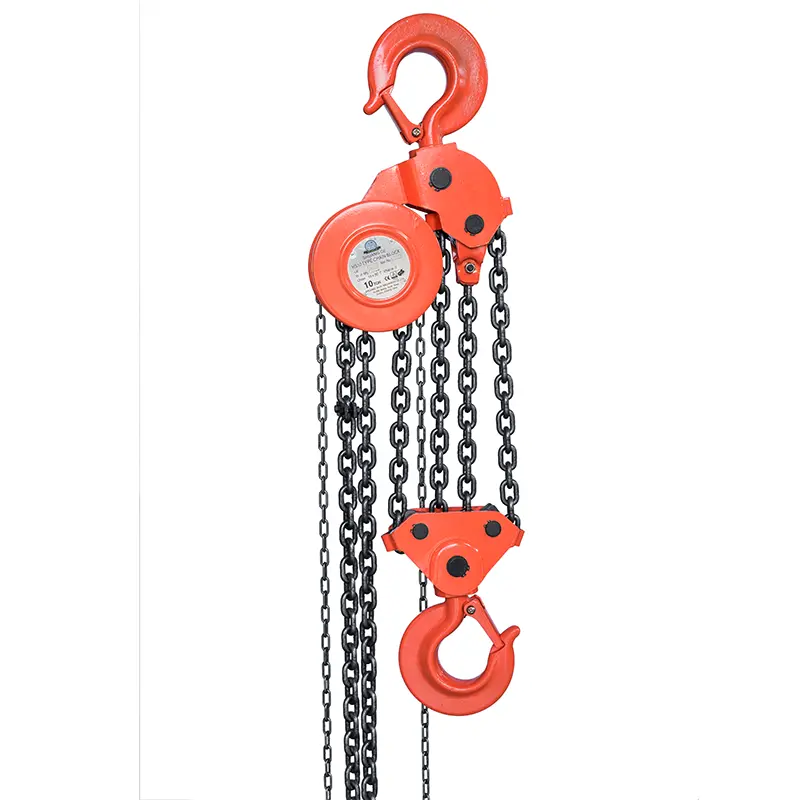
1. Equipment damage
Chain breakage
Overloading will significantly increase the load of the chain hoist chain, causing the chain to stretch or even break. Once the chain breaks, not only the equipment is damaged, but it may also cause the heavy objects to fall, causing serious safety accidents.
Hook deformation or breakage
The hook is a key component of the chain hoist. Overloading may cause the hook opening to become larger, deformed or even broken. This will directly cause the heavy objects to unhook and cause a fall accident.
Internal gear damage
Overloading will cause the gears and transmission components inside the chain hoist to bear excessive loads, causing gear damage or shaft breakage. This will not only affect the normal operation of the equipment, but may also cause more serious mechanical failures.
2. Safety accidents
Heavy objects falling
When the hand chain hoist is overloaded, the chain, hook or internal components may be damaged due to the inability to withstand excessive load, causing the heavy object to fall. The falling of heavy objects will not only damage the goods, but also cause serious physical injuries to the operator or surrounding personnel, or even endanger their lives.
Personal injuries
In the case of overload, the parts of the hand chain hoist may suddenly break or be damaged, and the operator may not be able to react in time, resulting in personal injuries. In addition, the falling of heavy objects may also cause serious injuries to nearby personnel.
3. Shortened service life
Component fatigue
Overloading will accelerate the fatigue of various components of the hand chain hoist, resulting in a significant shortening of the service life of the equipment. For example, the chain and hook will be more prone to deformation and cracks under overload.
Aging of equipment
Overloading will cause excessive wear of the equipment in a short period of time, accelerating the aging process of the equipment. This not only increases the maintenance cost of the equipment, but may also cause more safety hazards due to equipment failure.
IV. Precautions
To avoid the dangers of overloading, the following precautions should be taken:
Strictly observe the load limit
Before using the hand chain hoist, be sure to confirm that the weight of the cargo does not exceed the rated load of the equipment. If you are unsure of the weight of the cargo, you should first conduct a trial lift.
Check the equipment regularly
Check the key components of the hand chain hoist such as the chain, hook, gear, etc. regularly to ensure that they are in good condition. Any damaged or deformed parts should be replaced immediately.
Operator training
Operators should receive professional training to understand the correct use of hand chain hoists and safety precautions. Overloading or illegal operation is strictly prohibited.
Use appropriate equipment
Choose a hand chain hoist of appropriate tonnage according to actual needs, and avoid using equipment of too small tonnage for heavy lifting.
Summary
Overloading the hand chain hoist is an extremely dangerous behavior, which may cause equipment damage, safety accidents and even casualties. To avoid these risks, it is necessary to strictly observe the load limit of the equipment, check the equipment status regularly, and ensure that the operator receives professional training. Only by standardized operation can the safe use of the hand chain hoist and the long-term stable operation of the equipment be ensured.