

Leave Your Message


What are the application examples of environmentally friendly materials in hand chain hoists?
What are the application examples of environmentally friendly materials in hand Chain Hoists?
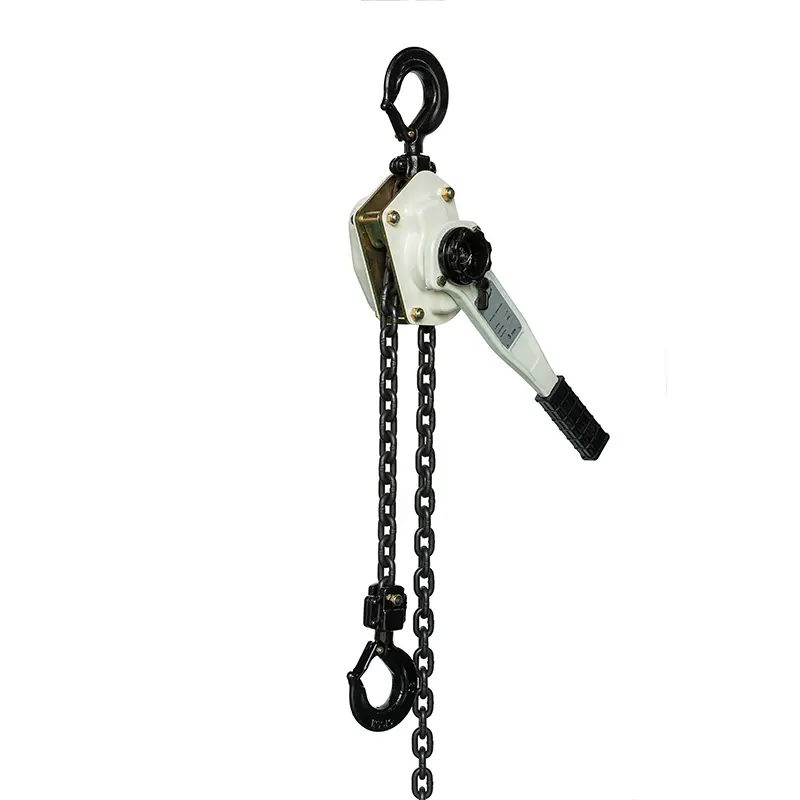
1. Overview of the application of environmentally friendly materials in hand chain hoists
1.1 Definition and classification of environmentally friendly materials
Environmentally friendly materials refer to materials that reduce adverse effects on the environment during production, use and processing, and have the characteristics of renewability, recyclability, and low carbon emissions. According to the life cycle of the material, environmentally friendly materials can be divided into two categories: recyclable materials and disposable materials. Recyclable materials such as glass and metal can be recycled; disposable materials are difficult to recycle after use. In addition, according to the source of the material, environmentally friendly materials can also be divided into natural materials and artificial materials. Natural materials such as wood, bamboo, stone, etc. are renewable and degradable; artificial materials such as plastics, metals, synthetic fibers, etc. are usually obtained through chemical synthesis or other artificial processing methods, and have the characteristics of high strength and good durability.
1.2 Characteristics of the demand for environmentally friendly materials for hand chain hoists
As a common lifting tool, hand chain hoists are widely used in many fields such as industry, construction, and logistics. With the enhancement of environmental awareness, the demand for environmentally friendly materials for hand chain hoists is also increasing, which is mainly reflected in the following aspects:
Lightweight and high strength: Hand chain hoists need to withstand large tensile forces during use, so the materials need to have high strength and good toughness. At the same time, in order to facilitate operation and transportation, the lightweight of materials is also very important. For example, the use of high-strength aluminum alloy materials to manufacture the shell of the hand chain hoist can not only reduce the weight of the equipment, but also improve its durability.
Corrosion resistance: Hand chain hoists are used in various environments, such as humid factory workshops, open-air construction sites, etc., so the materials need to have good corrosion resistance. For example, the use of stainless steel or galvanized steel to manufacture the chain and hook of the hand chain hoist can effectively prevent rust and extend the service life of the equipment.
Recyclability: In the production process of hand chain hoists, the use of recyclable materials can not only reduce resource waste, but also reduce production costs. For example, the plastic parts of the hand chain hoist can be made of recyclable polypropylene (PP) or polyethylene (PE) materials, which can be reprocessed and reused after use.
Environmentally friendly production process: In addition to the environmental protection of the material itself, the production process of the hand chain hoist should also meet environmental protection requirements. For example, the use of lead-free welding process to manufacture the metal parts of the hand chain hoist can reduce lead pollution; the use of water-based paint instead of solvent-based paint can reduce the emission of volatile organic compounds (VOC).
# 2. Application examples of environmentally friendly materials in hand chain hoist parts
2.1 Application of environmentally friendly materials for hooks and chains
Hooks and chains are the key load-bearing parts of hand chain hoists, and the selection of their materials is crucial to the safety and durability of the equipment. At present, the application of environmentally friendly materials in hooks and chains is mainly reflected in the following aspects:
Stainless steel materials: Stainless steel has high strength, good corrosion resistance and toughness, and is an ideal material for hooks and chains. For example, 304 stainless steel and 316 stainless steel are widely used in the manufacture of hooks and chains of hand chain hoists. 316 stainless steel has stronger corrosion resistance and can maintain stable performance in harsh environments such as humidity and salt. Its tensile strength can reach 515 MPa, yield strength is 205 MPa, and elongation can reach 35%, which can effectively withstand the tension of the hand chain hoist when working.
Galvanized steel: By plating a layer of zinc on the surface of ordinary steel, the steel can be effectively prevented from rusting. The thickness of the galvanized layer is generally between 50-100 microns, which can significantly improve the corrosion resistance of the steel. Galvanized steel is not only relatively low in cost, but also has good mechanical properties, suitable for hooks and chains with medium strength requirements.
Recyclability: Both stainless steel and galvanized steel have good recyclability. After the service life of the hand chain hoist, these metal materials can be recycled and reused to reduce resource waste and environmental pollution.
2.2 Application of environmentally friendly materials for the body shell
The body shell is an important part of the hand chain hoist, and its material needs to be lightweight, high-strength and good protective performance. The application of environmentally friendly materials in the body shell is mainly reflected in the following aspects:
High-strength aluminum alloy: Aluminum alloy has the characteristics of low density, high strength and strong corrosion resistance, and is an ideal lightweight material. For example, 6061 aluminum alloy is often used in the manufacture of the body shell of the hand chain hoist. Its density is only 2.7 g/cm³, the tensile strength can reach 310 MPa, the yield strength is 276 MPa, and the elongation can reach 12%. Using aluminum alloy to manufacture the body shell can not only reduce the weight of the equipment, but also improve its durability and service life.
Recyclable plastic: Some hand chain hoists have begun to use recyclable plastics such as polypropylene (PP) and polyethylene (PE) for their shell parts. These plastic materials have good chemical corrosion resistance and impact resistance, and are low in cost. For example, the density of PP material is only 0.9 g/cm³, with good flexibility and low temperature resistance, and can maintain stable performance in the temperature range of -20℃ to 80℃.
Environmentally friendly production process: In the manufacturing process of the body shell, it is also very important to adopt an environmentally friendly production process. For example, the use of lead-free welding processes can reduce lead pollution; the use of water-based paint instead of solvent-based paint can reduce the emission of volatile organic compounds (VOCs).
2.3 Application of environmentally friendly materials for gears and transmission components
Gears and transmission components are the core components of hand chain hoists, and their materials need to have high strength, wear resistance and good lubrication properties. The application of environmentally friendly materials in gears and transmission components is mainly reflected in the following aspects:
Engineering plastic gears: Some hand chain hoists have begun to use engineering plastic gears, such as polyoxymethylene (POM) and nylon (PA). These plastic materials have good mechanical properties and wear resistance, and are light in weight and low in noise. For example, the density of POM gears is 1.4 g/cm³, the tensile strength can reach 70 MPa, the hardness can reach 80 Shore D, and it can maintain stable operation at higher speeds.
Stainless steel shafts and bearings: Stainless steel materials are also widely used in transmission components. For example, the use of 304 stainless steel to manufacture transmission shafts and bearings can effectively prevent rust and improve the reliability and service life of the equipment.
Environmentally friendly selection of grease: In order to reduce the impact on the environment, some hand chain hoists have begun to use bio-based grease. These greases are based on vegetable oils, have good lubrication properties and biodegradability, and can keep the equipment running well while reducing environmental pollution.
: Bio-based grease
# 3. Examples of the application of environmentally friendly materials in the packaging and transportation of hand chain hoists
3.1 Environmentally friendly selection of packaging materials
During the packaging process of hand chain hoists, traditional materials such as non-degradable plastics and wood have many environmental problems, such as difficulty in degradation and waste of resources. In recent years, the application of environmentally friendly packaging materials has gradually received attention, mainly reflected in the following aspects:
Degradable plastic packaging: Degradable plastics can gradually decompose in the natural environment, reducing long-term pollution to the environment. For example, polylactic acid (PLA) is a bio-based degradable plastic whose raw materials come from renewable resources such as corn starch. PLA has good biocompatibility and degradability, and its degradation products are carbon dioxide and water, which are harmless to the environment. In the packaging of hand chain hoists, PLA can be used to make packaging films and cushioning materials, replacing traditional polyethylene (PE) films and reducing white pollution.
Paper packaging materials: Paper materials are a traditional and environmentally friendly packaging option with the characteristics of being recyclable and degradable. Honeycomb paperboard is a high-strength paper packaging material with a structure similar to a honeycomb, which has good cushioning properties and compressive strength. In the packaging of hand chain hoists, honeycomb paperboard can be used to make packaging boxes and liners to protect the equipment from impact during transportation. In addition, pulp molding products are also a commonly used paper packaging material. Its raw materials are mainly waste paper or plant fibers, which are formed by vacuum adsorption and have good environmental performance.
Composite material packaging: Composite materials combine the advantages of multiple materials, with good mechanical properties and environmental protection requirements. For example, some new paper and plastic composite materials, by coating a thin layer of degradable plastic on the surface of the paper material, not only improve the waterproofness and moisture resistance of the packaging, but also maintain the recyclability of the paper material. This composite material can be used for the packaging of hand chain hoists, especially in occasions where the equipment needs to be protected from the influence of humid environments.
3.2 Application of environmentally friendly materials during transportation
During the transportation of hand chain hoists, in order to reduce the impact on the environment, the application of environmentally friendly materials is also crucial, which is mainly reflected in the following aspects:
Environmental protection of transport pallets: Traditional wooden pallets are easily damaged during transportation and difficult to recycle. In recent years, plastic pallets have gradually become an environmentally friendly choice. Plastic pallets have the advantages of light weight, corrosion resistance, long service life, and can be recycled. In the transportation of hand chain hoists, the use of plastic pallets can not only reduce transportation weight and transportation costs, but also reduce the use of wood and protect forest resources.
Environmental protection of transportation protective materials: During transportation, protective materials are usually required to prevent hand chain hoists from being collided and damaged. Traditional protective materials such as foam plastics are difficult to degrade and cause pollution to the environment. Now, some degradable protective materials such as corn starch foaming materials are gradually being used. This material is made of corn starch through a foaming process. It has good cushioning properties and degradability. It can be naturally degraded after transportation, reducing pollution to the environment.
Lightweighting of transport packaging: In order to reduce energy consumption and carbon emissions during transportation, lightweighting of transport packaging has become an important trend. The use of lightweight environmentally friendly materials can not only reduce the weight of transportation, but also improve transportation efficiency. For example, transport boxes made of high-strength aluminum alloy are not only light in weight, but also have good protective properties. In addition, some new composite materials can also be used for lightweight design of transport packaging, such as carbon fiber reinforced composite materials, which have the characteristics of high strength and low density, and can effectively reduce the weight of transport packaging.
: Performance of carbon fiber reinforced composite materials
# 4. Application examples of environmentally friendly materials in the maintenance and recycling of hand chain hoists
4.1 Application of environmentally friendly materials during maintenance
Hand chain hoists need regular maintenance during use to ensure their performance and safety. The application of environmentally friendly materials in the maintenance process is mainly reflected in the following aspects:
Bio-based lubricants: In the lubrication and maintenance of hand chain hoists, traditional mineral-based lubricants have environmental pollution risks. Bio-based lubricants are based on vegetable oils and have good biodegradability and lubrication properties. For example, rapeseed oil-based lubricants have excellent lubricity and anti-wear properties, which can effectively reduce the friction between the parts of the hand chain hoist while reducing environmental pollution.
Degradable cleaners: When cleaning hand chain hoists, traditional chemical cleaners are difficult to degrade and cause pollution to the environment. Degradable cleaners use natural plant extracts as the main ingredients, which can quickly decompose in the natural environment and reduce pollution to water and soil. For example, citric acid-based cleaners have good cleaning effects and are non-corrosive to metal parts, making them suitable for daily cleaning of hand chain hoists.
Environmentally friendly rust inhibitors: In order to prevent hand chain hoists from rusting, traditional rust inhibitors usually contain heavy metals and harmful chemicals. Environmentally friendly rust inhibitors use non-toxic and heavy metal-free formulas, which can form a protective film on the metal surface, effectively preventing rust while reducing harm to the environment. For example, some rust inhibitors based on vegetable oils are not only environmentally friendly, but also have good adhesion and durability.
4.2 Application of recycled and reused environmentally friendly materials
After the service life of the hand chain hoist, the recycling and reuse of its materials is of great significance to reduce resource waste and environmental pollution. The application of environmentally friendly materials in recycling and reuse is mainly reflected in the following aspects:
Recycling of metal parts: The metal parts of hand chain hoists, such as hooks, chains, gears, etc., are usually made of stainless steel or galvanized steel. These metal materials have good recyclability and can be reused to make new hand chain hoist parts through smelting and reprocessing. For example, recycled 304 stainless steel can be reprocessed into hooks and chains, and its performance is equivalent to that of new steel, which can effectively reduce resource waste.
Recycling of plastic parts: The plastic parts of hand chain hoists, such as shells and handles, are usually made of recyclable plastics such as polypropylene (PP) or polyethylene (PE). These plastic materials can be remade into new plastic parts through crushing, cleaning and reprocessing. For example, recycled PP materials can be reprocessed into the shell of hand chain hoists, and its performance is equivalent to that of new plastics, which can effectively reduce the generation of plastic waste.
Recycling of composite materials: Some parts of hand chain hoists may be made of composite materials, such as carbon fiber reinforced composite materials. The recycling of these composite materials is relatively complicated, but through advanced recycling technology, the fibers and resins in them can be separated and reused to make new composite materials. For example, carbon fiber can be recycled through pyrolysis or chemical decomposition and reused to make high-strength composite parts.
: Composite material recycling
# 5. The impact of environmentally friendly material application on the performance of hand chain hoists
5.1 Impact on load-bearing capacity
The impact of the application of environmentally friendly materials in hand chain hoists on their load-bearing capacity is mainly reflected in the following aspects:
The use of high-strength materials: The use of high-strength aluminum alloy to manufacture the body shell and some structural parts not only reduces the weight of the equipment, but also improves its load-bearing capacity. For example, the tensile strength of 6061 aluminum alloy can reach 310 MPa and the yield strength is 276 MPa. Compared with traditional cast iron materials, it can withstand greater tension at the same weight.
Stainless steel hooks and chains: The tensile strength of 316 stainless steel hooks and chains can reach 515 MPa. Its good toughness and corrosion resistance can maintain stable performance in harsh environments such as humidity, ensuring the safety and reliability of hand chain hoists when working under high loads, thereby improving the overall load-bearing capacity.
Engineering plastic gears: Although the tensile strength of engineering plastic gears is relatively low, they have low density and light weight, and can maintain good transmission performance and wear resistance without adding too much weight. In some light or medium load application scenarios, engineering plastic gears can effectively improve the load-bearing efficiency of hand chain hoists.
5.2 Impact of service life
The application of environmentally friendly materials plays an important role in extending the service life of hand chain hoists:
Corrosion-resistant materials: Stainless steel and galvanized steel have good corrosion resistance and can effectively prevent rust in harsh environments such as moisture and salt. For example, the corrosion resistance of 304 stainless steel and 316 stainless steel is significantly better than that of ordinary steel, which can significantly extend the service life of hand chain hoists and reduce equipment damage and maintenance costs caused by corrosion.
Recyclable plastics: Recyclable plastics such as polypropylene (PP) and polyethylene (PE) have good chemical corrosion resistance and impact resistance, and can maintain stable performance in a variety of environments. These plastic materials have a long service life and can be recycled and reused after use, further reducing resource waste and environmental pollution.
Bio-based grease: Bio-based grease is based on vegetable oil and has good lubrication properties and biodegradability. The use of bio-based grease can reduce the pollution of the environment due to grease leakage. At the same time, its good lubrication properties can effectively reduce the friction between components and extend the service life of hand chain hoists.
5.3 Impact on safety
The application of environmentally friendly materials is of great significance in improving the safety of hand chain hoists:
High-strength and toughness materials: Materials such as high-strength aluminum alloys and stainless steel not only have good mechanical properties, but also have high toughness and impact resistance. The application of these materials in the key components of hand chain hoists can effectively prevent safety accidents caused by material fatigue or fracture, and improve the safety of equipment.
Environmentally friendly production process: The use of environmentally friendly production processes such as lead-free welding process and water-based paint can reduce the emission of harmful substances and health hazards to operators. For example, lead-free welding process can avoid lead pollution, and water-based paint can reduce the emission of volatile organic compounds (VOC), thereby providing operators with a safer working environment.
Environmental protection of degradable materials: The use of environmentally friendly materials such as degradable plastics and paper packaging materials can reduce the pollution of packaging waste to the environment and reduce the safety hazards caused by improper handling of packaging materials.
# 6. Advantages and Challenges of Environmentally Friendly Materials in Hand Chain Blocks
6.1 Analysis of Environmental Advantages
The application of environmentally friendly materials in hand chain blocks brings significant environmental advantages, which are mainly reflected in the following aspects:
Reducing resource waste: Hand chain blocks use a large amount of recyclable materials, such as stainless steel, aluminum alloy, polypropylene (PP) and polyethylene (PE). These materials can be recycled and reused after the service life of the equipment. For example, recycled 304 stainless steel and 6061 aluminum alloy can be reprocessed into high-quality hooks, chains and body shells, and their performance is equivalent to that of new steel, which effectively reduces the mining of virgin materials and saves natural resources.
Reducing environmental pollution: The use of environmentally friendly materials such as bio-based grease, degradable detergents and environmentally friendly rust inhibitors can significantly reduce the pollution of traditional chemical materials to the environment. For example, bio-based grease is based on vegetable oil and has good biodegradability. Even if leakage occurs during use, it will not cause long-term pollution to soil and water bodies; degradable plastic packaging materials such as polylactic acid (PLA) can gradually decompose into carbon dioxide and water in the natural environment, avoiding the white pollution problem caused by the difficulty of traditional plastics to degrade.
Reduce energy consumption: The use of lightweight materials such as high-strength aluminum alloys and engineering plastic gears can reduce the overall weight of the hand chain hoist, thereby reducing energy consumption during transportation and use. For example, the density of 6061 aluminum alloy is only 2.7 g/cm³, which can significantly reduce the weight of equipment, improve transportation efficiency, and reduce carbon emissions during transportation compared to traditional cast iron materials.
Comply with environmental regulations: With the increasingly stringent environmental regulations, the use of environmentally friendly materials to manufacture hand chain hoists can help companies better meet relevant regulatory requirements. For example, the use of lead-free welding processes and water-based paints can reduce lead pollution and volatile organic compound (VOC) emissions, comply with environmental regulations on pollutant emissions in the production process, and avoid fines and penalties for violations.
6.2 Cost and Technical Challenges
Although the application of environmentally friendly materials in hand chain hoists has many environmental advantages, there are still some cost and technical challenges in the actual promotion process:
Increased costs: The procurement cost of environmentally friendly materials is relatively high. For example, the price of stainless steel and high-strength aluminum alloys is usually several times higher than that of ordinary steel; the cost of bio-based greases and degradable cleaners is also higher than that of traditional mineral-based lubricants and chemical cleaners. In addition, the processing technology of environmentally friendly materials is often more complicated, requiring a higher level of technology and equipment investment, which will also lead to an increase in production costs. For example, the use of lead-free welding processes requires the use of special welding equipment and materials, which increases the equipment purchase and maintenance costs in the production process.
Technical performance limitations: Some environmentally friendly materials may not fully meet the use requirements of hand chain hoists in terms of technical performance. For example, although engineering plastic gears have the advantages of lightweight and low noise, they may not be as good as metal gears in terms of high strength and high wear resistance, which limits their application in heavy-load or high-frequency use scenarios; the mechanical properties of degradable plastic packaging materials such as PLA are relatively weak, and they may not provide sufficient protection during transportation, which can easily cause damage to hand chain hoists.
Difficulty of recycling: Although many environmentally friendly materials are recyclable, they still face some difficulties in the actual recycling process. For example, the recycling of composite materials is relatively complicated, and advanced recycling technology is required to separate the fibers and resins in them and reuse them to make new composite materials; some parts of hand chain hoists may be composed of multiple materials, which increases the difficulty and cost of separation during the recycling process.
Market awareness and acceptance: Some users have insufficient knowledge or misunderstandings about the application of environmentally friendly materials in hand chain hoists, believing that environmentally friendly materials may affect the performance and reliability of the equipment. This concept has hindered the promotion and application of environmentally friendly materials in the hand chain hoist market to a certain extent. In addition, there are relatively few suppliers of environmentally friendly materials, and the stability of market supply and price fluctuations will also affect the selection and application of hand chain hoist manufacturers.
# 7. Development trend of environmentally friendly materials in hand chain hoists
7.1 Research and development direction of new environmentally friendly materials
With the continuous improvement of environmental awareness and the continuous advancement of science and technology, the research and development of environmentally friendly materials in hand chain hoists has shown a trend of advancing in multiple directions:
High-performance composite materials: More high-performance composite materials will be developed for hand chain hoists in the future. For example, carbon fiber reinforced composite materials have the advantages of high strength, low density, and corrosion resistance. They can be used to manufacture key components such as hooks and chains of hand chain hoists, which can not only reduce the weight of the equipment, but also improve its load-bearing capacity and service life. In addition, new glass fiber and resin composite materials are also under development. While maintaining high strength, this material also has good insulation properties, which is suitable for hand chain hoists in some special environments.
Bio-based and degradable materials: The research and development of bio-based materials and degradable materials will be more in-depth. In addition to existing degradable plastics such as polylactic acid (PLA), more biomass-based materials may be developed in the future for packaging and parts manufacturing of hand chain hoists. For example, researchers are exploring the use of biomass resources such as lignocellulose to prepare high-performance bio-based plastics, which are not only degradable, but also have good mechanical properties and durability. At the same time, degradable lubricants and rust inhibitors are also under development to further reduce the impact of hand chain hoists on the environment during use.
Intelligent environmentally friendly materials: The application of intelligent environmentally friendly materials will become an important development direction for hand chain hoists. For example, research and development of materials with self-sensing and self-diagnostic functions for key components of hand chain hoists. These materials can monitor their own stress state, wear degree and other information in real time during the operation of the equipment, and feed back the data to the operator for timely maintenance and replacement. In addition, intelligent environmentally friendly materials can also automatically adjust their own performance according to environmental conditions, such as anti-rust coatings that adapt to changes in environmental humidity, etc., to improve the reliability and service life of hand chain hoists in different environments.
7.2 Market prospects for the application of environmentally friendly materials
The application of environmentally friendly materials in hand chain hoists has broad market prospects:
Policy promotion: With the increasingly stringent global environmental regulations, governments of various countries have continuously increased their environmental protection requirements for industrial equipment such as hand chain hoists. For example, the EU's RoHS Directive and REACH regulations have imposed strict restrictions on the content of harmful substances and environmental impact in products, which has prompted hand chain hoist manufacturers to adopt more environmentally friendly materials to meet regulatory requirements. In China, with the advancement of the "dual carbon" goal, relevant environmental protection policies are also being strengthened, which provides strong policy support for the application of environmentally friendly materials in hand chain hoists.
Market demand growth: Consumers and enterprises are paying more attention to and demanding environmentally friendly products. In the hand chain hoist market, more and more users tend to choose environmentally friendly products to reduce the impact on the environment. For example, in the construction industry, the promotion of the concept of green building requires that the equipment used in construction also needs to meet environmental protection requirements, which provides a broad market space for environmentally friendly hand chain hoists. In addition, some large enterprises and multinational companies are also actively promoting the greening of the supply chain, requiring their suppliers to provide environmentally friendly hand chain hoist products, which further promotes the application of environmentally friendly materials in this field.
Cost reduction and performance improvement: With the continuous advancement of environmentally friendly material technology and large-scale production, its cost is expected to gradually decrease. For example, with the improvement of bio-based material production technology and the diversification of raw material sources, its production cost is gradually decreasing. At the same time, the performance of new environmentally friendly materials is also constantly improving, which can better meet the use requirements of hand chain hoists, which will further enhance its competitiveness in the market. In the future, as environmentally friendly materials are more and more widely used in hand chain hoists, their market share will continue to expand, promoting the green transformation and sustainable development of the entire industry.